
How Traditional Braces Work
The science behind braces is actually pretty straightforward. Small brackets get bonded to the front surface of each tooth, and a wire threads through all the brackets, connecting them. The wire wants to return to its original shape, and as it tries to straighten itself, it applies gentle, continuous pressure that gradually moves teeth into better positions. We adjust this system during regular appointments, changing wires and sometimes adding components like elastics or springs to control specific movements.
What makes traditional braces so effective is their precision. We can move individual teeth in any direction—rotating them, tipping them, or shifting them forward, backward, or sideways. This level of control enables us to address a range of issues, from simple crowding to complex bite problems that involve the proper alignment of the jaws. No other orthodontic treatment offers the same versatility and predictability.
Components of Traditional Braces
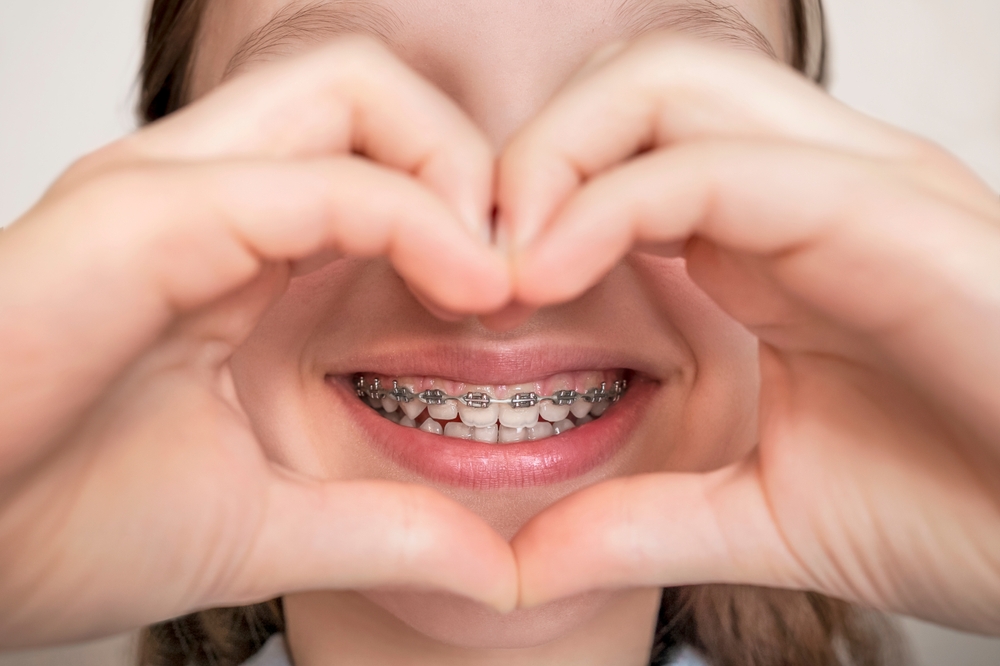
Brackets are the small metal squares bonded to each tooth. Modern brackets are significantly smaller than older versions, making them less noticeable and more comfortable. Some brackets have tiny doors that hold the wire, while others use small elastic ties. Both styles work well—the choice depends on technical factors related to your child’s specific treatment plan.
The archwire threads through all the brackets and provides the force that moves teeth. We start with thin, flexible wires that apply light pressure, then gradually progress to thicker, stiffer wires as treatment advances. These sequential wire changes allow teeth to move efficiently without causing excessive discomfort.
Elastic ligatures, those tiny rubber bands that hold wires in brackets, come in dozens of colors. Most kids love choosing new colors at each adjustment appointment—school colors, holiday themes, or favorite sports teams all make regular appearances. These elastics serve a functional purpose while giving patients a chance to personalize their braces.
What Traditional Braces Correct
We use traditional braces to address a comprehensive range of orthodontic issues. Crowding occurs when teeth overlap or twist due to insufficient space in the jaw. Braces create room through expansion or strategic tooth removal, then align everything properly. Spacing problems—gaps between teeth—close as treatment progresses, creating uniform contact between teeth.
Bite problems respond particularly well to traditional braces. Overbites, where upper teeth extend too far over lower teeth, can cause wear problems and jaw discomfort. Underbites, where lower teeth sit in front of upper teeth when biting down, affect both function and facial appearance. Crossbites create uneven wear patterns and can contribute to jaw asymmetry if left untreated. Open bites leave gaps even when back teeth touch, making it difficult to bite into certain foods.
Issues We Correct
- Crowding and overlapping: Creating proper spacing and alignment
- Large gaps: Closing spaces for uniform tooth contacts
- Overbite: Reducing excessive overlap of front teeth
- Underbite: Correcting the forward positioning of the lower jaw
- Crossbite: Aligning teeth that bite in the wrong relationship
- Open bite: Bringing front teeth together for proper function
- Rotated teeth: Straightening twisted teeth into their correct positions
The Treatment Process
Treatment with traditional braces in Kaysville begins with comprehensive records—photos, X-rays, and sometimes digital scans. We analyze this information to create a detailed treatment plan tailored to your child’s needs. The day we place braces typically takes about two hours. We clean and prepare teeth, bond brackets carefully to each tooth, thread the initial wire, and make sure everything feels comfortable.
Adjustment appointments happen every 4-8 weeks throughout treatment. These visits last 20-30 minutes and involve checking progress, changing wires, adjusting elastics, and sometimes adding new components to the braces system. Your child might feel increased soreness for a day or two after adjustments as teeth respond to renewed pressure, but it’s usually manageable with over-the-counter pain relievers.
Treatment length varies based on what we’re correcting. Simple cases may be completed in 12-18 months, while complex situations involving significant bite correction can take two to three years. We provide realistic timelines during your initial consultation and track progress carefully throughout treatment.
Advantages of Traditional Braces
Traditional braces offer several distinct advantages over alternative treatments. They work for every type of case, including severe crowding, complex bite problems, and situations where other methods fall short. Compliance isn’t an issue—unlike removable aligners that only work when worn, braces are always working because they’re fixed in place. This makes them particularly good for younger teens who might forget to wear removable appliances consistently.
Cost is another consideration. Traditional braces typically represent the most economical orthodontic option, making comprehensive treatment accessible to more families. They’re also incredibly durable and can withstand normal eating and activities when patients follow food restrictions.
Maintaining Braces
Success with traditional braces requires a commitment to good oral hygiene and adherence to dietary restrictions. Brushing after meals, flossing daily with special tools, and avoiding foods that damage brackets all contribute to efficient treatment progression. We provide detailed guidance on caring for braces and carefully inspect hygiene at each appointment.
Traditional Braces in Kaysville
The transformations we see with traditional braces never get old. Watching a self-conscious teenager smile confidently for the first time after years of hiding their teeth behind closed lips reminds us why we do this work. Traditional braces transform lives by enhancing function, health, and self-esteem in ways that extend far beyond simply straightening teeth.
Schedule a consultation with Dr. Jones at Kaysville Pediatric Dental & Orthodontics. We’ll evaluate your child’s needs and explain how braces can create the healthy, beautiful smile they deserve. Contact us today!